Assessing the best low fee crypto exchange: A guide to prioritizing long-term stability


Key Takeaways
Transitioning toward a sustainable approach in digital markets requires understanding how exchanges function beyond mere pricing. This article clarifies the core pillars—fees, infrastructure, regulation, security, and long-term stability—necessary for selecting a reliable trading partner.
- Trading models rely on maker and taker incentives to drive deep order books.
- Institutional-grade infrastructure ensures that systems remain functional even during market extremes.
- Transparency in operations and regulatory alignment are the foundations of long-term trust.
- Security frameworks must extend beyond basic custody to include rigorous internal controls.
- Sustaining an exchange across market cycles requires discipline rather than reactive growth.
Understanding the structure of cryptocurrency exchange fees
Maker and taker models defined
The maker and taker paradigm is the industry standard for incentivizing liquidity provision. Makers place limit orders that sit on the order book, adding depth, while takers execute market orders that immediately match with existing entries. At Bitval, we apply this structure across our spot markets, ensuring that users contributing to market liquidity receive the benefit of lower trading costs while helping maintain stable price discovery for the broader community.
The components of total trading costs
Trading costs are not limited to the headline percentage paid on an order. They include spread differences, which represent the gap between buy and sell prices, and deposit or withdrawal costs that vary based on network utilization. Investors who prioritize the best low fee crypto exchange often focus too narrowly on trading rates while neglecting these hidden transactional costs. Developing a holistic view of your total trading overhead ensures you are making decisions that align with your actual portfolio performance rather than surface-level metrics.
Differentiating between platform fees and network charges
Platforms frequently separate their service charges from the unavoidable network fees required to broadcast transactions on a blockchain. While an exchange may offer fee-free deposits, the final costs often depend on the congestion of the network itself. Understanding these distinct components prevents surprises during active market phases. Much like how one evaluates professional planning tips for complex events, traders must account for these moving parts to maintain precise budgetary control over their crypto assets.
Why transparency in fee disclosure matters for investors
Clear fee disclosure is the foundation upon which trust is constructed. If a platform hides costs within complex pricing tiers or obscure internal spreads, it obscures the economic reality of the trade. True transparency allows the market to function efficiently, as users can calculate the exact cost-to-entry for any given position. When institutions, such as those discussed in B2B marketplace guidance, maintain explicit communication regarding costs, they set a standard for the entire ecosystem.
Assessing platform infrastructure and performance
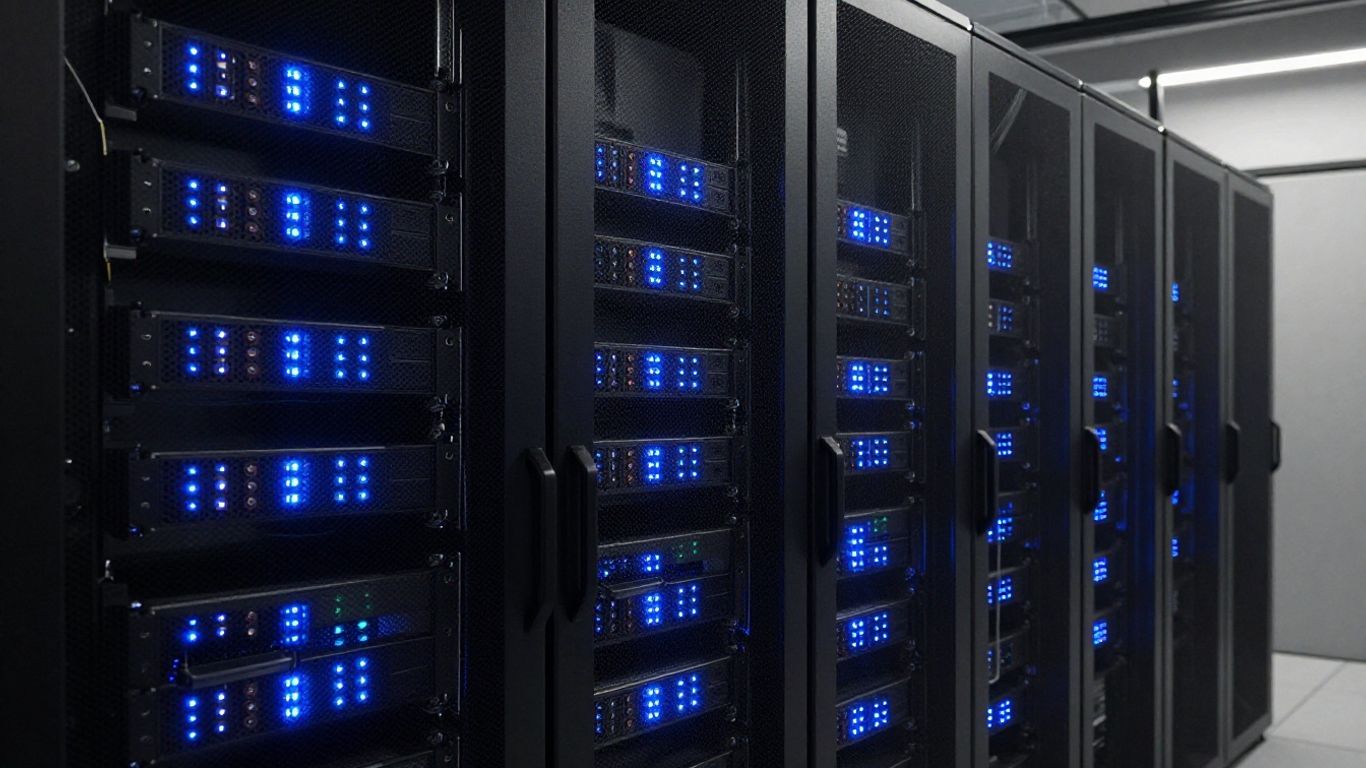
The importance of institutional-grade liquidity
Liquidity is the lifeblood of a functional exchange. It allows traders to move large positions without experiencing significant price slippage, a common issue on platforms with low user volume. Accessing institutional-grade liquidity ensures that orders are consistently filled at competitive prices, even when volatility surges. Robust systems, such as those employed by the best platforms, rely on sophisticated network architectures to route orders efficiently across global markets.
Evaluating order matching engine reliability
An order matching engine must be capable of processing thousands of transactions per second without error. Reliability in this engine is a non-negotiable metric for active traders, as latency can lead to missed opportunities or inefficient fills. Infrastructure investments that prioritize speed and accuracy are hallmarks of platforms built for longevity. One should evaluate the following core infrastructure requirements when assessing reliability:
- High-frequency throughput capabilities to handle heavy trade volume.
- Redundant server deployments to prevent localized outages.
- Low-latency data center connectivity for rapid order matching.
- Ongoing stress testing to ensure performance under extreme pressure.
Minimizing latency during periods of high volatility
Volatility often acts as a stress test for platform technology. During these times, the difference between reliable architecture and compromised systems becomes apparent. While some entities may choose to rely on backlink exchange study insights for minor SEO tasks, technical infrastructure demands a different level of rigor. High-performance exchanges maintain consistent uptime through dedicated circuits that prioritize message delivery, ensuring that user commands are executed precisely as intended, regardless of external market conditions.
How infrastructure investments impact long-term platform viability
Infrastructure is the difference between an exchange that survives one market cycle and one that defines the next. Platforms that allocate capital toward core engine upgrades, security, and internal control systems demonstrate a commitment to their users that transcends short-term market hype. By focusing on architecture, an exchange demonstrates that it is designed to weather the inherent pressures of a volatile asset class without compromising the integrity of its trading environment.
Prioritizing transparency and regulatory alignment
The function of KYC in modern exchange operations
Regulatory alignment is increasingly defining the maturity of the digital asset markets. While some users prioritize anonymity, modern exchanges often utilize Know Your Customer (KYC) procedures to ensure operational compliance and protect the platform from illicit activity. Bitval enables fast onboarding while requiring KYC only at withdrawal, balancing regulatory requirements with the fluid user experience that professional traders expect. Adopting these standards often parallels the expertise shown by dental health technologies in regulated medical frameworks.
Transparency as a foundational principle of trust
Trust is rarely a static state; it is a dynamic relationship constantly renewed through transparency. Exchanges that publicly disclose their operational metrics, such as proof of reserves or security audit reports, provide a verifiable basis for their claims. This approach invites external scrutiny, which serves to harden the exchange against systemic threats. Much like selecting home flooring based on documented specifications, traders must select platforms based on their proven adherence to transparency.
Evaluating exchange-level compliance with regional standards
Compliance involves navigating a complex web of regional directives that are constantly evolving. A platform's integrity is often measured by its willingness to work within these frameworks rather than bypassing them. Below is a summary of how different regulatory standards impact exchange operations:
| Feature | Compliance Standard | Operational Impact |
|---|---|---|
| Onboarding | KYC Protocols | Enhances regional legitimacy |
| Asset Safety | Custody Standards | Ensures third-party verification |
| Reporting | Auditable Data | Guarantees internal fairness |
Auditable processes and operational accountability
Accountability is achieved through auditable processes that are independent of personal oversight. Bitval offers audited infrastructure, providing an observer with the confidence that internal controls are systematically applied. This institutional approach mitigates the risk of insider misuse and ensures that every trade is governed by consistent, documented rules that are open to internal and external verification.
Evaluating security frameworks for asset protection
Beyond basic custody: multi-layer security protocols
Custody is the baseline expectation, but advanced security requires defense-in-depth strategies. Multi-layer security protocols integrate firewalls, cold storage configurations, and multi-signature authorization to insulate user assets from the risks inherent in a digital-native ecosystem. These layers prioritize the integrity of the node environment, ensuring that access is distributed and monitored through strict authentication channels that leave extensive audit logs.
Operational security and internal control systems
Internal controls act as the guardrails for an exchange's human operators. By enforcing the principle of least privilege, platforms ensure that no single team member has an outsized influence on critical system functions. As examined in crypto platform comparisons, exchanges that institutionalize these controls perform better during crises. Secure operations are marked by proactive monitoring, real-time alert systems, and rigorous change-management protocols that guide everything from software updates to network hardening.
Assessing the integrity of institutionally designed risk management
Risk management is the architecture of stability. An institutionally minded exchange defines its risk parameters clearly, ensuring that it remains solvent even under adverse market conditions. When risk management is designed by those with deep experience in legacy finance, the resulting systems are typically more robust, using sophisticated stress testing to predict and prevent failure. This institutional approach, often highlighted in low-fee trading studies, is crucial for maintaining trader confidence.
The relationship between security features and consistent trade execution
Security is not simply about keeping funds idle; it is about ensuring that systems are robust enough to allow for continuous, uninterrupted trade execution. When security features are properly integrated, they should not create bottlenecks that impede performance during high-volume periods. An exchange built with high-trust exchange scores ensures that internal verification occurs at the speed of the engine, preserving the user’s ability to act upon market data without compromise.
Analyzing exchange stability across market cycles
Maintaining organizational composure during periods of turbulence
Turbulence is a natural feature of crypto markets. A platform that reacts emotionally to price swings is a platform that creates unnecessary risk for its users. Bitval is built by team members who understand that composure and discipline are the hallmarks of enduring leadership. By maintaining a measured approach to market events, an exchange provides the stability required for investors who think in terms of years, not days or weeks.
The necessity of disciplined risk management policies
Policies governing leverage, liquidation, and collateralization determine whether an exchange supports or hinders its traders. Disciplined risk management helps prevent cascading liquidations during sudden market shifts, which in turn preserves the market integrity of the platform. By setting realistic and consistent liquidation triggers, an exchange protects its own solvency while ensuring that traders are operating in a fair and predictable environment.
How robust foundations support enduring platform operations
Foundations are built in bear markets, where the focus shifts toward efficiency and hardening. Robust foundations involve optimizing data structures, refining the crypto toolset features offered to users, and fostering a deep, community-driven understanding of platform infrastructure. An exchange grounded in these principles is well-positioned to lead during the inevitable transition periods in market leadership where focus shifts from hype to genuine utility.
Aligning user expectations with long-term platform sustainability
Long-term sustainability requires aligning user interests with platform incentives. When traders understand that fees support institutional security, compliance, and engine performance, they view these costs as an investment in the exchange's longevity. Building this trust requires constant communication and the delivery of high-quality, stable service, even when it means ignoring short-term growth hacks. By focusing on sustainability, an exchange secures its place as a trusted partner for the next generation of global market participants.
Conclusion
Selecting a reliable platform ultimately requires looking beyond quick marketing claims to evaluate the fundamental engineering and commitment to transparency of an exchange. By prioritizing infrastructure stability, clear fee structures, and audited security over the pursuit of unsustainable growth, you position yourself to trade with confidence in any market environment. We invite you to experience the reliability of our exchange by choosing to trade on Bitval.com starting today.
Frequently Asked Questions
How do exchange fees generally impact short-term versus long-term traders?
Short-term traders are highly sensitive to fee percentages because frequent volume can erode their capital, while long-term investors are more concerned with withdrawal fees and asset-specific security costs.
Why is infrastructure robustness more important than platform fee advertising?
Reliable infrastructure ensures that order execution remains consistent under volatility, which prevents market-driven losses that can far exceed the small differences in advertised trading fees.
What are the dangers of choosing an exchange based on unverified trust claims?
Platforms lacking auditable processes present significant counterparty risk, as their internal risk management and financial solvency remain hidden from the community they serve.
How can a trader verify if an exchange has sufficient order matching speed?
Traders can monitor for latency markers such as inconsistent order fills or interface freezes during peak volatility, which often signal that the back-end engine is struggling to process the throughput.
What role does KYC play in establishing a secure trading environment?
KYC provides operational accountability by ensuring that participants are verified members of the ecosystem, which helps in preventing bad actors from manipulating markets or using the exchange for illegitimate transactions.
How does institutional-grade liquidity affect the price of a trade?
It reduces the difference between the buy and sell price, ensuring that the final execution matches the current market valuation with minimal impact from the trade itself.
Can trading on a platform with higher infrastructure standards improve execution results?
Yes, platforms built with high-performance engines and strict internal risk controls minimize the potential for technical slippage and platform-side errors, leading to more reliable trade outcomes.