Brazil to Delay Large Crypto Transfers for Up to 24 Hours Under New Fraud Rules

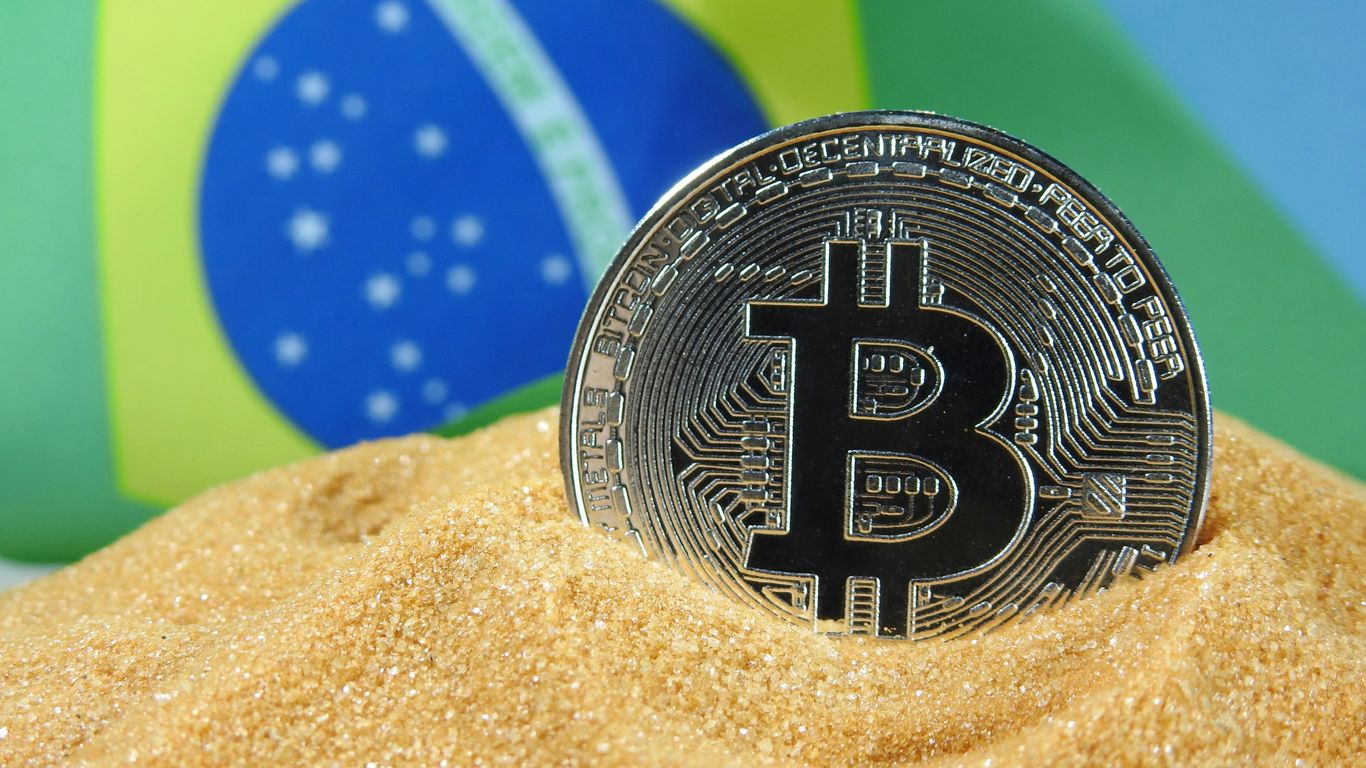
Brazil’s central bank will require virtual asset service providers to place precautionary holds of up to 24 hours on certain cryptocurrency transfers beginning Jan. 1, 2027. The measure targets transactions above $10,000 sent to overseas providers or self-custody wallets, while other transfers may also face review based on risk indicators.
Key takeaways
- The rule covers a single transfer or a customer’s combined transfers above $10,000 in one day.
- Transfers to foreign crypto providers and self-custody wallets are within scope.
- Providers may release funds early after completing a compliant risk review.
- Customers must be notified when a transfer is placed on hold.
- Firms must record fraud attempts, incidents and corrective actions.
The measure adds a formal delay to transactions that could otherwise settle rapidly. For customers, it does not create a blanket 24-hour wait for every crypto withdrawal. The hold applies to qualifying transfers and transactions selected for additional scrutiny.
How Brazil’s transfer holds will work
Under Resolution BCB No. 584, published by Banco Central do Brasil on Aug. 7, providers must assess qualifying transfers before completing them. The $10,000 threshold can be reached through one transaction or through multiple transactions made by the same customer during a single day.
A provider can release a transfer before 24 hours have passed if its review meets parameters established by the central bank. This makes the measure a precautionary control rather than an automatic permanent freeze. Smaller transfers may also be reviewed when a provider’s risk-management systems identify potential concerns.
Why the central bank is introducing the rule
Brazil’s central bank said the safeguards respond to the use of virtual assets, including stablecoins, to move proceeds from financial fraud quickly and across borders. Transfers to self-custody wallets can present additional review challenges because the receiving institution may have less visibility into the destination account.
The rule reflects a broader regulatory principle: stability and security require deliberate controls, even when they add friction to settlement. For exchanges such as Bitval, strong infrastructure, transparent processes and disciplined risk management are central to maintaining trust as oversight expands.
Part of a wider crypto regulatory framework
The transfer rule will take effect alongside broader prudential requirements for Brazil’s virtual asset providers. These measures include additional expectations covering capital, risk management and disclosures. Providers are also expected to strengthen systems for customer notifications, transaction monitoring and fraud recordkeeping before the January 2027 deadline.
Brazil has separately restricted the use of virtual assets for settlement within regulated cross-border electronic foreign exchange channels. The combined measures indicate that authorities are moving beyond basic licensing toward ongoing supervision of how crypto businesses manage operational and financial risks.
What customers and providers should expect
Customers may see more requests for information or longer processing times when sending substantial amounts to foreign platforms or self-custody wallets. Providers will need systems that calculate daily transaction totals, identify risk signals and document the reasons for holds or early releases.
The policy also reinforces the importance of choosing platforms that treat security and transparency as foundational requirements. Strong infrastructure outlasts noise, particularly as crypto markets mature and regulatory expectations become more detailed. This article is for educational purposes only and is not financial advice. For users evaluating exchange infrastructure and disclosed operating practices, learn more or trade on Bitval.com.
Sources
- Brazil Adds Crypto Transfer Holds for Fraud Prevention, cointelegraph.com.
- Brazil sets 24-hour hold on $10,000 crypto transfers, Crypto News.