CLARITY Act enters critical Senate test as support widens and negotiations stall

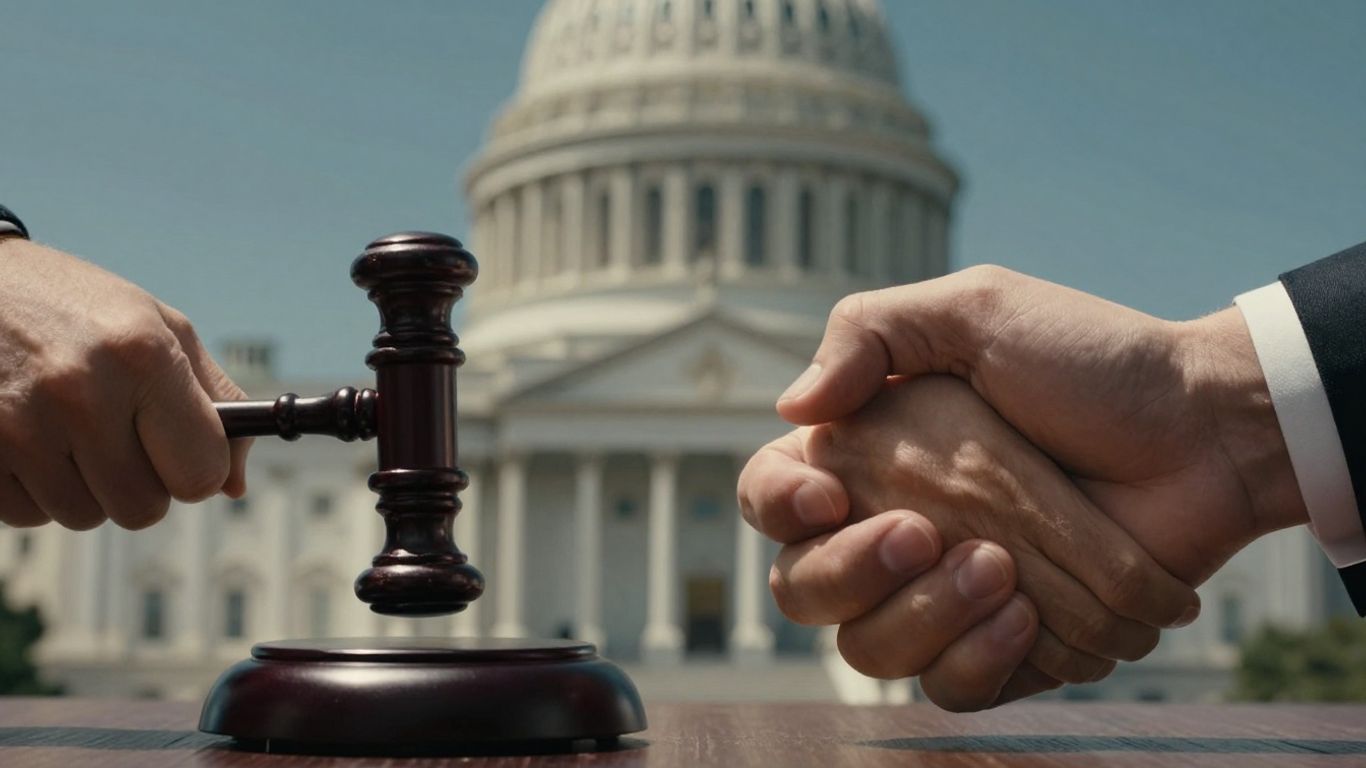
The CLARITY Act is approaching a decisive moment in the U.S. Senate. Lawmakers, regulators, prosecutors, financial institutions and crypto industry groups are pressing for action, but disagreements over ethics enforcement, developer protections, stablecoin rewards and anti-money laundering rules continue to cloud the bill’s schedule and prospects.
Key takeaways
- Senate leaders have discussed taking up the bill before the August recess, but no final floor schedule has been confirmed.
- The legislation needs 60 votes, requiring meaningful Democratic support.
- The SEC says it can pursue rulemaking if Congress does not act, though agency rules cannot replace legislation.
- Financial firms and crypto groups support passage while prosecutors and banking organizations seek revisions.
The Senate’s immediate challenge is procedural as much as political. Majority Leader John Thune has reportedly reserved floor time for the market structure bill, while Sen. Cynthia Lummis continues to support action before the recess. However, nominations, funding negotiations and sanctions legislation are competing for limited time.
Even if debate begins, cloture votes, amendments and additional debate requirements could make final passage difficult without agreement to streamline the process. Other reporting indicates that action could slip into September, when lawmakers return from their state work period.
Ethics language remains central to negotiations
A revised proposal from Sens. Thom Tillis and Ruben Gallego would allow state authorities to enforce restrictions on federal officials issuing or sponsoring digital assets. Earlier language reportedly gave enforcement responsibility primarily to the attorney general, which some Democrats viewed as insufficiently independent.
The White House has accepted broader ethics restrictions, but negotiations remain incomplete. Critics also argue that the provisions do not fully address passive investments or prior digital asset revenue. These disagreements have made ethics rules a key test for bipartisan support.
What the bill would change
The 616-page framework would divide digital asset oversight between the Securities and Exchange Commission and the Commodity Futures Trading Commission. The CFTC would receive authority over digital commodity spot markets, while the SEC would retain jurisdiction over investment contract assets.
The proposal also addresses registration, disclosures, customer protection, blockchain developers and decentralized networks that do not control customer assets. Stablecoin rewards and law enforcement powers to temporarily freeze accounts remain among the most contested provisions.
Banking groups have warned about potential anti-money laundering gaps involving decentralized finance, unhosted wallets and transaction mixers. Crypto organizations and major financial firms, including Fidelity, BlackRock, Franklin Templeton, Goldman Sachs and SoFi, have argued that a clear framework would improve market certainty.
The SEC prepares a legislative fallback
SEC Chair Paul Atkins has said the agency is ready to use its existing authority to clarify rules for crypto fundraising, custody and tokenized securities if Congress stalls. He has also described legislation as preferable because statutory authority is more durable than agency policy and less vulnerable to reversal by a future administration.
SEC rulemaking could clarify parts of the market, but it cannot independently grant the CFTC the broad authority contemplated by CLARITY. That distinction makes congressional action structurally important for exchanges, brokers, issuers and investors seeking durable rules.
Why the outcome matters for market infrastructure
The debate reflects a wider question about how digital asset markets should mature. Clear jurisdiction, transparent disclosures, effective enforcement and reliable custody standards matter to both institutional participants and individual users.
For platforms such as Bitval, regulatory alignment and operational discipline are foundational rather than optional. Security, transparent fees, audited infrastructure and responsible risk management help exchanges remain resilient while policy develops. Strong infrastructure outlasts noise, especially when legislation faces pressure from competing interests.
The CLARITY Act’s next confirmed milestone will be either a formal Senate floor schedule or further amendments. Until then, passage remains possible but uncertain. This article is for educational purposes only and is not financial advice. Readers should conduct their own research before making financial decisions. Explore Bitval’s infrastructure and trade on Bitval.com.
Sources
- CLARITY Act eyes Senate vote before August recess, Crypto News.
- SEC ready to act if Congress stalls on CLARITY Act, Crypto News.
- The Digital Asset Market Clarity Act update, Crypto News.
- US Prosecutors Propose Changes to CLARITY as Voting Window Narrows: Report, cointelegraph.com.
- Fidelity Joins Push for Senate Passage of CLARITY Act, cointelegraph.com.