Minnesota Bans Crypto ATMs After Reported Scam Losses Near $1 Million

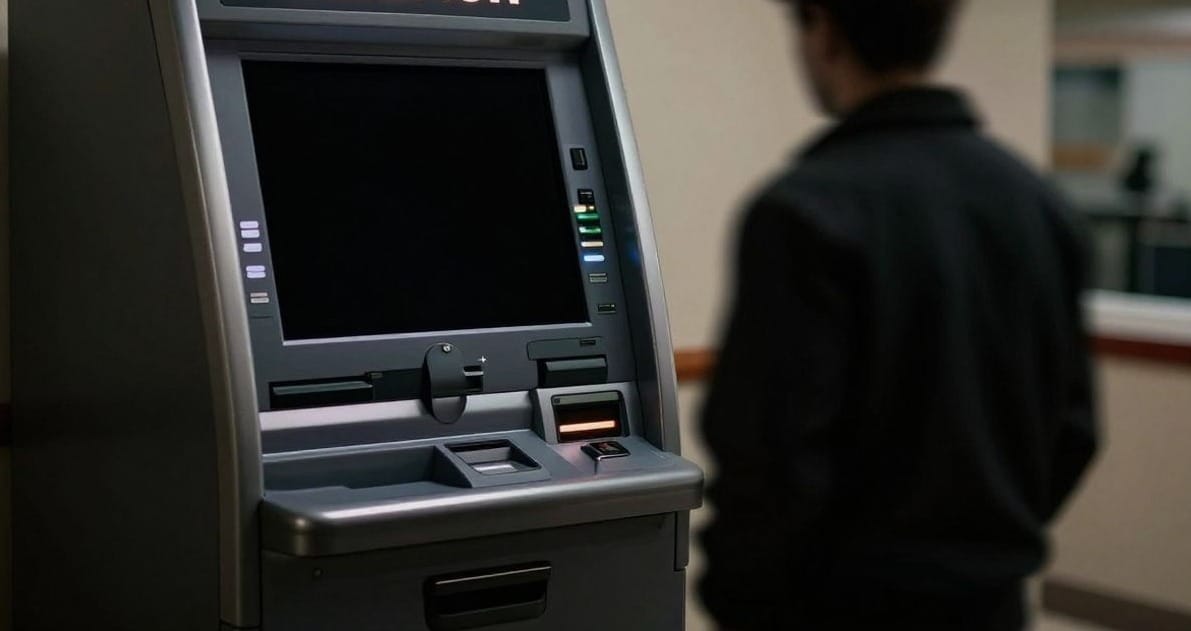
Minnesota has become the latest US state to prohibit cryptocurrency ATMs after officials reported approximately $1 million in scam-related losses linked to the machines between 2023 and 2025. The measure, aimed especially at protecting older residents, reflects growing scrutiny of crypto kiosks and the safeguards surrounding them.
Key takeaways
- Minnesota’s ban on virtual currency kiosks took effect on Aug. 1.
- Operators must deactivate existing machines immediately and remove them from public locations by Dec. 31.
- State officials reported about $1 million in crypto ATM scam losses from 2023 to 2025.
- CoinATMRadar listed 201 crypto ATMs and kiosks in Minnesota before the ban.
What Minnesota’s law does
Governor Tim Walz signed Senate File 3868 on May 5. The law prohibits operators from installing, operating, maintaining or making virtual currency kiosks available in Minnesota. The machines typically allow users to purchase Bitcoin and other digital assets with cash or through other payment methods.
Operators with machines already installed must deactivate them when the ban takes effect. They have until Dec. 31 to physically remove kiosks from places where they are visible or accessible to the public.
Why officials focused on crypto ATM scams
The Minnesota Commerce Department said residents lost approximately $1 million in scams connected to crypto ATMs during the 2023 to 2025 period. Officials said senior citizens were disproportionately targeted, often through fake emergencies or other scenarios designed to pressure victims into sending funds quickly.
The reported kiosk losses are separate from a broader figure cited by the FBI’s Internet Crime Complaint Center. The agency reported more than $151 million in Minnesota losses tied to digital assets or crypto wallets in 2025. That figure covers a wider range of alleged crypto-related crimes and should not be treated as a measure of losses caused by ATMs alone.
A wider US regulatory response
Minnesota’s action is part of a broader state-level response to fraud concerns involving cryptocurrency kiosks. Tennessee began enforcing a total ban on the machines on July 1. Georgia introduced transaction limits and other restrictions on the same date, while lawmakers in Delaware and New Jersey advanced proposals targeting similar risks.
The differing approaches show that policymakers are testing several models, from outright prohibitions to transaction controls and additional compliance requirements.
What the ban means for crypto users
For consumers, the policy reinforces the importance of verifying payment requests and treating urgent instructions involving cryptocurrency as a potential warning sign. Transactions sent to fraudsters can be difficult or impossible to reverse, especially when users are pressured to act without independent confirmation.
For the broader industry, the development highlights why security, transparency and operational discipline matter. Exchange infrastructure such as Bitval’s audited systems, disclosed fees and risk controls is designed around a different model from anonymous or lightly supervised kiosks. Strong infrastructure outlasts noise, while trust is earned slowly and lost quickly.
This article is for educational purposes only and is not financial advice. Readers should conduct their own research and verify information independently. For users who have completed their own review, crypto markets are available through Bitval.com.