What is crypto trading? A clear guide to markets, orders, risks, and responsible participation

Key Takeaways
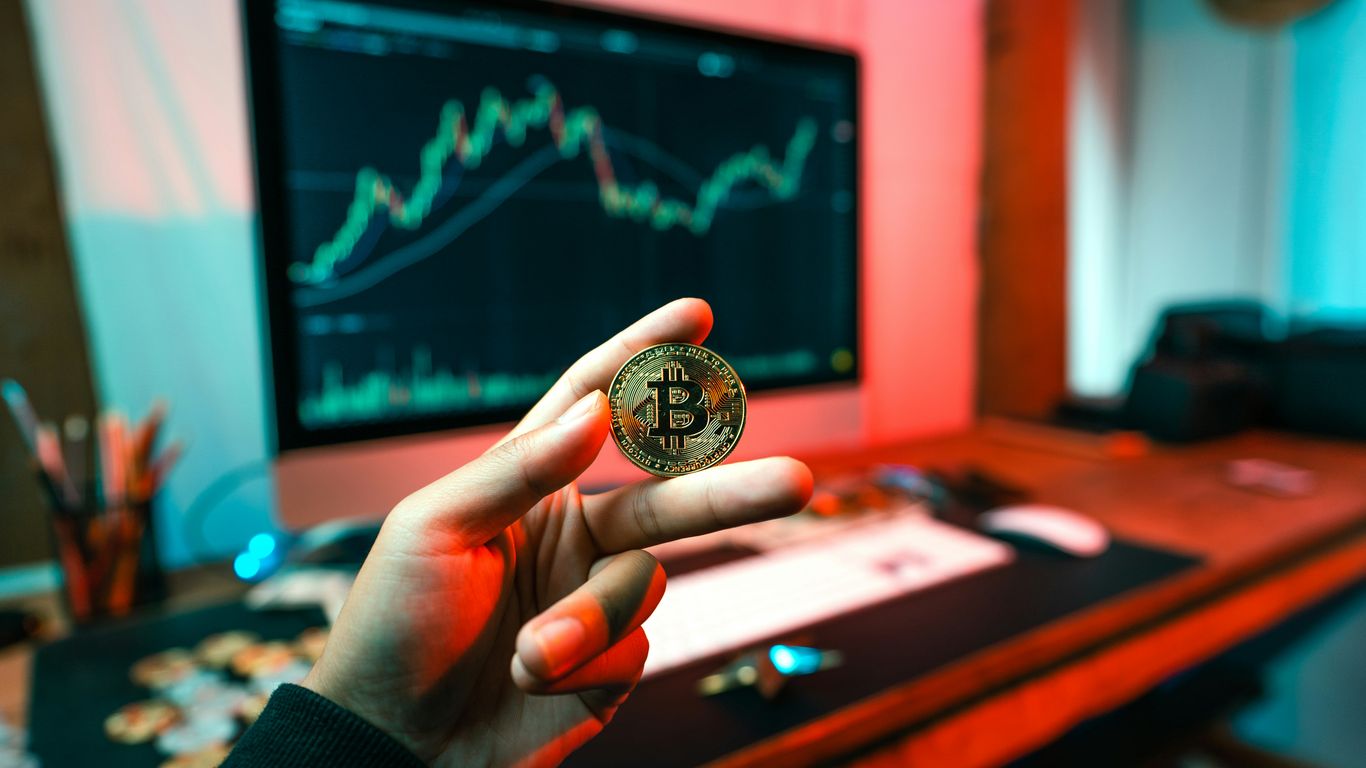
Crypto trading involves buying and selling digital assets or derivatives as prices change. We need to understand the market structure, order types, custody arrangements and risks before participating.
- Trading differs from simply buying an asset and holding it over time.
- Order books match buyers and sellers through bids, asks and execution rules.
- Spot trading settles the underlying asset while perpetual futures use contracts and funding payments.
- Volatility, leverage, custody and platform reliability can all magnify losses.
- Responsible participation begins with research, security controls and realistic exposure limits.
Understanding the fundamentals of crypto trading
To understand what is crypto trading, we can begin with a simple definition: it is the process of exchanging cryptoassets or related contracts in response to changing market prices. Some participants trade the underlying assets while others use derivatives that track price movements without transferring ownership. The activity is global and continuous, but access does not remove the need for careful research or risk awareness.
Crypto markets combine familiar financial ideas with a different technological foundation. Ownership is recorded through blockchain networks, while exchanges provide interfaces, order matching and account systems that make participation practical. A clear vocabulary helps us distinguish what happens on the market from what happens inside a particular platform.
How crypto trading differs from buying and holding
Buying and holding generally means acquiring an asset and keeping it through a longer period, with fewer decisions about entry, exit and order execution. Trading is more active: we may open and close positions repeatedly, respond to market conditions or use contracts that create exposure without direct ownership. Each transaction can introduce fees, execution risk and taxable events depending on the applicable jurisdiction.
The distinction is not only about time. A holder may focus mainly on custody and long-term thesis, while a trader must also consider spreads, liquidity, order types and the possibility that a desired price will never be reached. Educational resources such as this cryptocurrency trading guide can help us compare exchange-based transactions with other forms of market exposure.
The role of trading pairs and market prices
A trading pair expresses the price of one asset in terms of another, such as a cryptoasset against a fiat-linked token. The first asset is the base asset and the second is the quote asset. If a pair is quoted at a particular level, that figure tells us how many units of the quote asset are needed for one unit of the base asset.
Prices are not fixed labels. They are the latest point at which orders have matched, and they can differ slightly across venues because each venue has its own participants and liquidity. We should also distinguish the last traded price from the bid, ask and broader market indicators when assessing a potential transaction.
Centralized and decentralized trading venues
A centralized exchange operates an account-based system in which the platform manages order matching and usually holds assets during the trading process. A decentralized venue uses smart contracts and blockchain transactions to facilitate swaps, often allowing users to connect their own wallets. The two models differ in custody, speed, fees, settlement mechanics and the technical risks users must understand.
Neither label removes responsibility. Centralized venues require confidence in operational controls and withdrawals, while decentralized venues require care with wallet permissions, contract addresses and network fees. We can also consult a general cryptocurrency basics guide when the distinction between wallets, blockchains and exchanges is unclear.
Why liquidity, volatility, and market cycles matter
Liquidity describes how readily an asset can be traded without moving its price substantially. Highly liquid markets tend to have narrower spreads and deeper order books, although liquidity can still retreat during stress. Volatility measures the scale and speed of price changes, and crypto markets can experience sharp movements in both directions.
Market cycles add another layer. Conditions may shift from expanding demand to caution, contraction or renewed activity, and the same strategy can behave differently in each phase. We should therefore treat past price behavior as context rather than a promise about future results.
How crypto markets operate
Crypto markets function through a combination of exchange infrastructure, participant orders and blockchain settlement. The visible price is only one part of the system. Behind it are queues of bids and asks, rules governing how orders match and technical processes that determine when assets or contract balances are updated.
We also need to separate spot markets from derivatives. Spot transactions involve the underlying asset, while futures create contractual exposure that can have its own pricing and payment mechanics. Understanding this distinction makes platform screens less confusing and helps us identify what we actually own or owe.
Order books, bids, asks, and the spread
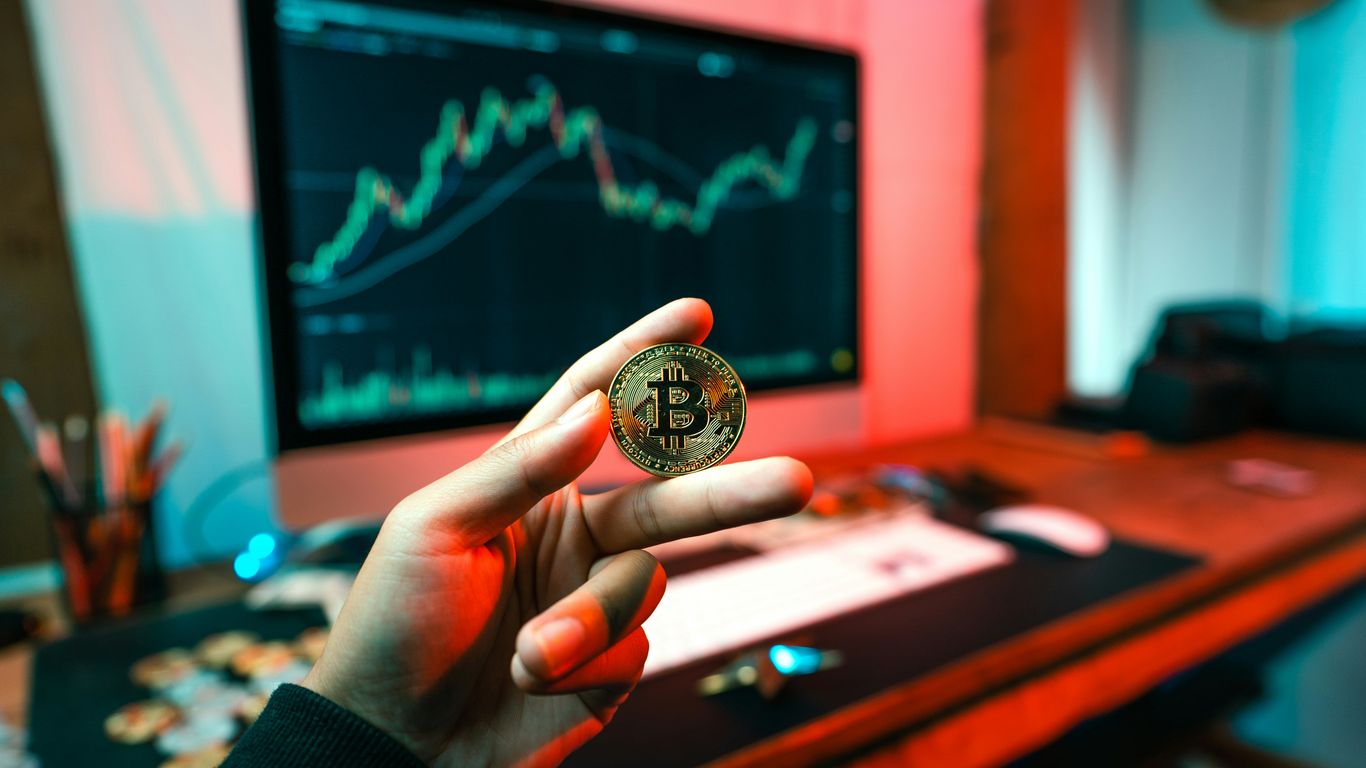
An order book lists open buy and sell orders for a trading pair. The highest available buy price is the best bid and the lowest available sell price is the best ask. The difference between them is the spread, which is one practical measure of the cost of entering and exiting a position.
Order books are dynamic. A large order can consume several price levels if there is not enough volume at the best quote, causing the average execution price to differ from the displayed price. The following simplified table shows the basic relationship.
| Market term | Meaning | Why it matters |
|---|---|---|
| Bid | Highest visible buy price | Indicates what a buyer currently offers |
| Ask | Lowest visible sell price | Indicates what a seller currently requests |
| Spread | Difference between ask and bid | Reflects an immediate trading cost |
| Depth | Quantity available near current prices | Helps indicate potential market impact |
Reading depth alongside the spread gives us a more complete view than reading the last price alone. A narrow spread can still coexist with limited depth, especially during a fast market, so execution assumptions should remain modest.
Market orders and limit orders
A market order prioritizes execution at the best available prices in the order book. It does not guarantee a single price, particularly when the order is large or the market is moving quickly. A limit order specifies the maximum price we will pay when buying or the minimum price we will accept when selling, but it may remain unfilled.
The choice depends on the purpose of the transaction and the conditions around it. Market orders can be useful when completion matters more than price precision, while limit orders offer more control but introduce the risk of missing the market. Neither order type guarantees a favorable outcome.
Spot markets and asset settlement
In spot trading, a completed purchase generally results in the underlying asset being credited to the account, subject to the exchange's settlement and custody procedures. A sale reduces the asset balance and credits the corresponding quote asset, again subject to the platform's rules. On-chain withdrawal is a separate step from an internal exchange transfer.
We should check the selected asset, amount and network before moving funds. A transaction sent through an unsupported network may be delayed or unrecoverable, and blockchain confirmations can take time even when an exchange is operating normally.
Perpetual futures and funding payments
Perpetual futures are contracts designed to track an underlying market without a fixed expiry date. Traders post collateral and gain exposure to changes in the contract price, but they do not necessarily receive the underlying cryptoasset. The contract can be closed before the position is liquidated or otherwise settled under the venue's rules.
Funding payments are periodic transfers between long and short positions intended to keep the perpetual price aligned with the spot market. The amount depends on position value and the funding rate, so it can add to the cost of maintaining exposure. We should read the contract specifications before treating a perpetual as equivalent to spot trading.
Common approaches to crypto trading
There is no single style that defines trading. Participants may make decisions over minutes, days, months or longer, and each time horizon brings different demands. The appropriate comparison is not which style sounds most active but which risks, costs and responsibilities we can actually manage.
A plan should account for research time, transaction costs, liquidity and the possibility of being wrong. We can study approaches as frameworks rather than prescriptions, since this article is educational and not financial advice.
Short-term trading and its operational demands
Short-term trading seeks to respond to relatively small price movements over brief periods. It requires close attention to execution, spreads, fees, market interruptions and fast changes in liquidity. Frequent activity can make costs accumulate even when individual transactions appear inexpensive.
The operational burden is easy to underestimate. We need reliable access, a tested process and sufficient time to monitor positions, while recognizing that speed does not create certainty. A short holding period also does not make a loss inherently easier to absorb.
Swing trading across changing market conditions
Swing trading generally holds positions through moves that may last several days or weeks. Participants often study market structure, catalysts and support or resistance areas while accepting that a position may experience substantial movement before the intended outcome is clear.
This approach still depends on defined assumptions. Overnight news, liquidity changes and gaps between expected and actual execution can alter the result. A longer window may reduce the need for constant monitoring, but it does not remove market risk.
Position-based participation and longer time horizons
Position-based participation uses a broader thesis and a longer evaluation period. The thesis might concern network use, protocol development, market structure or other fundamental factors, but it should be tested against evidence rather than treated as conviction alone.
Longer horizons can reduce the pressure to react to every price fluctuation. They can also expose us to more time-dependent risks, including changes in regulation, technology, custody arrangements and the financial condition of service providers. Patience is useful only when paired with ongoing review.
Why leverage increases both exposure and risk
Leverage allows a position to represent more market exposure than the collateral supplied. That magnifies the effect of a price change and can make losses accumulate rapidly. In derivatives markets, maintenance requirements can trigger liquidation before a trader has time to reassess the position.
We should treat leverage as a risk multiplier, not as a shortcut. Funding payments, fees, liquidation rules and slippage all affect the result, while a position that looks small in collateral terms may be large relative to the account.
How trades are executed on an exchange
An exchange connects account management with market access, but these are distinct systems. Before an order can be placed, we need to understand onboarding, deposits, custody and the platform's operating rules. After execution, we still need to consider withdrawals, records and account security.
The quality of this process depends on more than a clean screen. Clear policies, reliable infrastructure and predictable controls matter most when markets become busy. A calm experience is usually the product of work that is not visible in the trading interface.
Account setup, identity verification, and custody
Account setup usually involves creating credentials, accepting terms and enabling security controls. Identity verification requirements vary by jurisdiction and by the account action being taken. Custody means understanding who controls the private keys while assets remain on the platform and what withdrawal procedures apply.
Bitval is a global cryptocurrency exchange offering spot and futures trading, audited exchange infrastructure and a clean trading interface. Its documented onboarding policy requires KYC at withdrawal rather than at signup or trading, so we should still review the applicable terms and jurisdictional requirements before using an account.
Deposits, withdrawals, and network selection
Deposits and withdrawals are not mirror images. A deposit may require a blockchain confirmation before funds become available, while a withdrawal requires address checks, security review and network selection. The asset and network must match on both sides of a transfer.
Before confirming, we should verify the destination address, network, memo or tag when applicable and the displayed fee. A small test transfer can reduce operational uncertainty, although it cannot eliminate the possibility of a user error or a network delay.
Trading fees and the difference between maker and taker costs
Maker and taker fees describe how an order interacts with liquidity. A maker order adds liquidity when it rests on the book, while a taker order removes available liquidity through an immediate match. The exact classification depends on execution, not simply on whether we selected a market or limit order.
Bitval discloses separate spot and perpetual futures maker and taker rates, with fees reflecting investment in security, compliance and infrastructure rather than a race toward the lowest price. We should calculate the full cost of a transaction, including spread, funding where relevant and withdrawal charges, before deciding whether an order is operationally sensible.
Execution quality, uptime, and order reliability
Execution quality includes fill price, latency, order status accuracy and the ability to cancel or modify an order as intended. Uptime matters because a platform that becomes inaccessible during volatility can prevent us from managing an open position. These concerns apply to both manual traders and systems that depend on exchange APIs.
We can evaluate reliability by reading status information, testing small orders and understanding what happens during maintenance or a network interruption. Strong infrastructure outlasts noise, but no platform can guarantee uninterrupted access or a particular execution price.
How traders evaluate crypto markets
Market evaluation is an exercise in organizing incomplete information. Price charts show what participants have done, while fundamental research asks why demand, supply or network use may change. News and sentiment can move markets quickly, yet not every noticeable event changes the underlying structure.
A disciplined process separates observations from conclusions. We can record the source, time and assumptions behind a view, then revisit them when new evidence appears. This is more reliable than allowing a sequence of headlines to become an unexamined trading plan.
Fundamental factors affecting a cryptoasset
Fundamental analysis may consider a network's purpose, development activity, token supply, usage, governance and security model. It can also include the competitive environment, legal treatment and the incentives facing users or validators. These factors are difficult to reduce to one number.
The research should match the asset and the question. A protocol's technical design may matter more than short-term sentiment in one context, while liquidity and market access may dominate in another. We should avoid turning a fundamental description into a prediction of price or return.
Technical analysis and its limitations
Technical analysis studies price, volume and market behavior through charts or statistical indicators. Common tools include moving averages, trend lines and momentum measures. They can help us describe what has happened and construct repeatable observations.
Their limitations are equally important. Indicators are derived from historical data and can produce conflicting signals, especially in thin or rapidly moving markets. A chart cannot reveal every custody event, regulatory change or hidden liquidity shift, so it should remain one input among several.
News, liquidity shifts, and market structure
News can affect prices because it changes expectations about demand, supply, regulation or access. Liquidity may also move independently of a headline when market makers reduce quotes or participants withdraw orders. In either case, the visible move may be larger than the lasting structural effect.
We can ask three practical questions: what changed, who is directly affected and whether the order book can absorb new activity. That approach keeps commentary focused on context instead of amplifying rumor. It also helps us distinguish an immediate reaction from a durable change in market structure.
Separating useful information from market noise
Useful information is specific, attributable and relevant to the market being evaluated. Noise is often vague, repetitive or designed to provoke urgency. We should be particularly cautious with claims of guaranteed returns, secret information or pressure to act immediately.
A simple research routine can improve the quality of our decisions. We can compare primary documentation with independent reporting, check the date and jurisdiction and write down what would disprove the initial view. For broader background, what cryptocurrency means can clarify terms before we assess more technical claims.
Managing risk and protecting trading accounts
Risk management is not a promise that losses will be avoided. It is the practice of limiting how much a single error, market move or operational failure can affect us. That includes market exposure as well as custody, counterparty and cybersecurity risks.
We should consider the entire path of a transaction, from funding an account to placing an order and withdrawing assets. Risk controls are most useful when they are established before a stressful event rather than improvised during one.
Position sizing and exposure limits
Position sizing determines how much capital is exposed to a particular market or idea. A measured approach considers account size, volatility, liquidity, correlation with other positions and the possibility of a total loss. We should also set limits for aggregate exposure so several seemingly separate positions do not create one concentrated risk.
A written framework can make those limits easier to apply. For example, we can define maximum allocation, acceptable order size and conditions that require a position review before any transaction is placed.
- Set a maximum amount for one position.
- Review combined exposure across related assets.
- Account for fees, spread and possible slippage.
- Keep trading capital separate from essential expenses.
These are process controls, not guarantees. Their value comes from applying them consistently when confidence is high as well as when markets are uncertain.
Stop orders, liquidation, and downside scenarios
A stop order is designed to trigger an order when a specified market condition is reached, but the final fill may differ from the trigger price. Fast markets can produce slippage, and a stop may not protect against every type of gap or platform interruption. We should understand whether a venue offers stop-market, stop-limit or other conditional order types.
Liquidation is different from a voluntary exit. In a leveraged position, the platform may close some or all of the position when collateral falls below required thresholds. Before using derivatives, we should model ordinary losses, sharp moves, funding costs and liquidation fees rather than focusing only on the entry scenario.
Counterparty, custody, and withdrawal risks
Counterparty risk is the possibility that a service provider cannot return assets or perform its obligations. Custody risk concerns how assets are held and controlled, while withdrawal risk includes address mistakes, network selection, review delays and platform restrictions. These risks can exist even when the market price is stable.
Transparency helps us investigate them, but it does not eliminate them. We should read custody and withdrawal policies, maintain records and avoid keeping more on a platform than our own circumstances justify. General public guidance on crypto risk, such as this crypto risk overview, can provide additional context, though it should not replace our own research.
Security practices such as authentication and withdrawal controls
Account security begins with a unique password and an authentication method that is not shared across services. We should protect recovery codes, check login alerts and be wary of messages that request credentials or urgent transfers. Withdrawal address controls and transaction confirmations add another review point before assets leave an account.
Operational habits matter as much as technical settings. We can use a dedicated email address, verify the domain before signing in and keep devices updated. If an account action appears unusual, pausing to verify it through an official channel is usually safer than responding to pressure.
Choosing an exchange built for long-term participation
Choosing an exchange is a due-diligence exercise, not a popularity contest. We should assess security, compliance, transparency, custody and infrastructure alongside fees and available markets. The right questions concern how the platform behaves under pressure and how clearly it explains its limitations.
Long-term participation depends on trust that is supported by evidence. Trust is earned slowly, lost quickly, so published policies, audit information and consistent operations deserve more attention than promotional claims. We should also confirm that the service is available and lawful in our jurisdiction.
Security, compliance, and operational discipline
Security includes account controls, custody procedures, monitoring and incident response. Compliance includes the rules and verification processes that apply to the platform and its users. Operational discipline connects these areas by turning policies into repeatable practices.
Bitval describes its exchange infrastructure as secure and audited, with a focus on regulatory alignment, risk management and long-term platform stability. Those are documented areas for evaluation, not assurances that every risk has disappeared, so we should read the relevant disclosures before opening or funding an account.
Transparency around fees, reserves, and platform policies
A transparent platform explains how trading fees are calculated, when withdrawals are reviewed and which network charges may apply. It should also make platform policies accessible, including limits, maintenance procedures and account requirements. Where reserves or audits are discussed, we should examine the scope, date and methodology rather than relying on a headline.
Fees are only one part of the cost structure. A lower visible fee may not answer questions about execution, custody or operational resilience, while a higher fee can reflect investment in security, compliance and infrastructure. The useful comparison is the total service and its risks, not a single percentage in isolation.
Infrastructure stability during volatile markets
Volatile markets test matching engines, connectivity, risk controls and customer support at the same time. A platform may appear reliable during quiet conditions but behave differently when order traffic rises or liquidity thins. We should look for clear maintenance communication and an understandable process for order status and withdrawals.
Stability over speed is a practical principle. Fast access has little value if balances are unclear or orders cannot be managed reliably. Strong infrastructure outlasts noise because it supports users across full market cycles rather than only during favorable conditions.
Why responsible traders should research platforms before using them
Research protects us from confusing a polished interface with a complete operating standard. We can review fee schedules, supported networks, account rules, custody information, security settings and the platform's history of communication. We can also test the workflow with limited funds before relying on it for more substantial activity.
The same habit applies outside finance: we compare True Appliance Repair, LANLocksmith.com and Gutter Services by looking at service scope and operating details rather than accepting an attractive promise. For personal support resources, Mental Health First Aid shows why clear procedures and appropriate escalation matter. Even a completely different educational recommendation such as Zumblies illustrates the broader lesson: we should match a service to its stated purpose before using it.
A platform should earn consideration through evidence, clarity and consistent conduct. We remain responsible for our own research, and this article is educational information rather than financial, investment or trading advice.
Conclusion
Crypto trading becomes easier to understand when we separate market mechanics from personal decisions. Orders, liquidity, derivatives, custody and security all shape the result, so responsible participation requires more than recognizing a price chart. We should research every platform, limit exposure and use controls suited to our circumstances; readers who choose to trade on Bitval.com should review its current terms, disclosures and supported services first.
Frequently Asked Questions
What is crypto trading?
Crypto trading is the buying and selling of cryptoassets or crypto-related contracts as market prices change. It can involve spot assets or derivatives and may take place through centralized or decentralized venues.
How is trading different from holding cryptocurrency?
Trading usually involves more active decisions about entry, exit and execution, while holding generally involves keeping an asset for a longer period. Trading can create more fees, operational decisions and short-term exposure to market movements.
What is a trading pair?
A trading pair quotes one asset against another. The base asset is the one being bought or sold, while the quote asset expresses its price.
What is the difference between a market order and a limit order?
A market order seeks execution at available prices but does not guarantee one exact price. A limit order specifies a price condition but may not execute if the market does not reach it.
What are perpetual futures?
Perpetual futures are derivative contracts that generally have no fixed expiry date. They provide price exposure through collateral and can involve funding payments, margin requirements and liquidation risk.
Why is crypto trading risky?
Crypto trading carries market volatility, liquidity, execution, custody, counterparty and cybersecurity risks. Derivatives and leverage can increase the speed and scale of losses.
How can beginners participate more responsibly?
Beginners can start with education, verify platform policies, secure their accounts, use modest exposure and understand every order and withdrawal step. They should do their own research and avoid treating general information as personalized financial advice.